 Stories
A story about tonight’s worry, with your child in it by name
Whatever is on your child’s mind becomes an illustrated read-along story — with your character as the hero and a value you chose woven in. Ready in a minute or three, and waiting for your review before your child sees it.


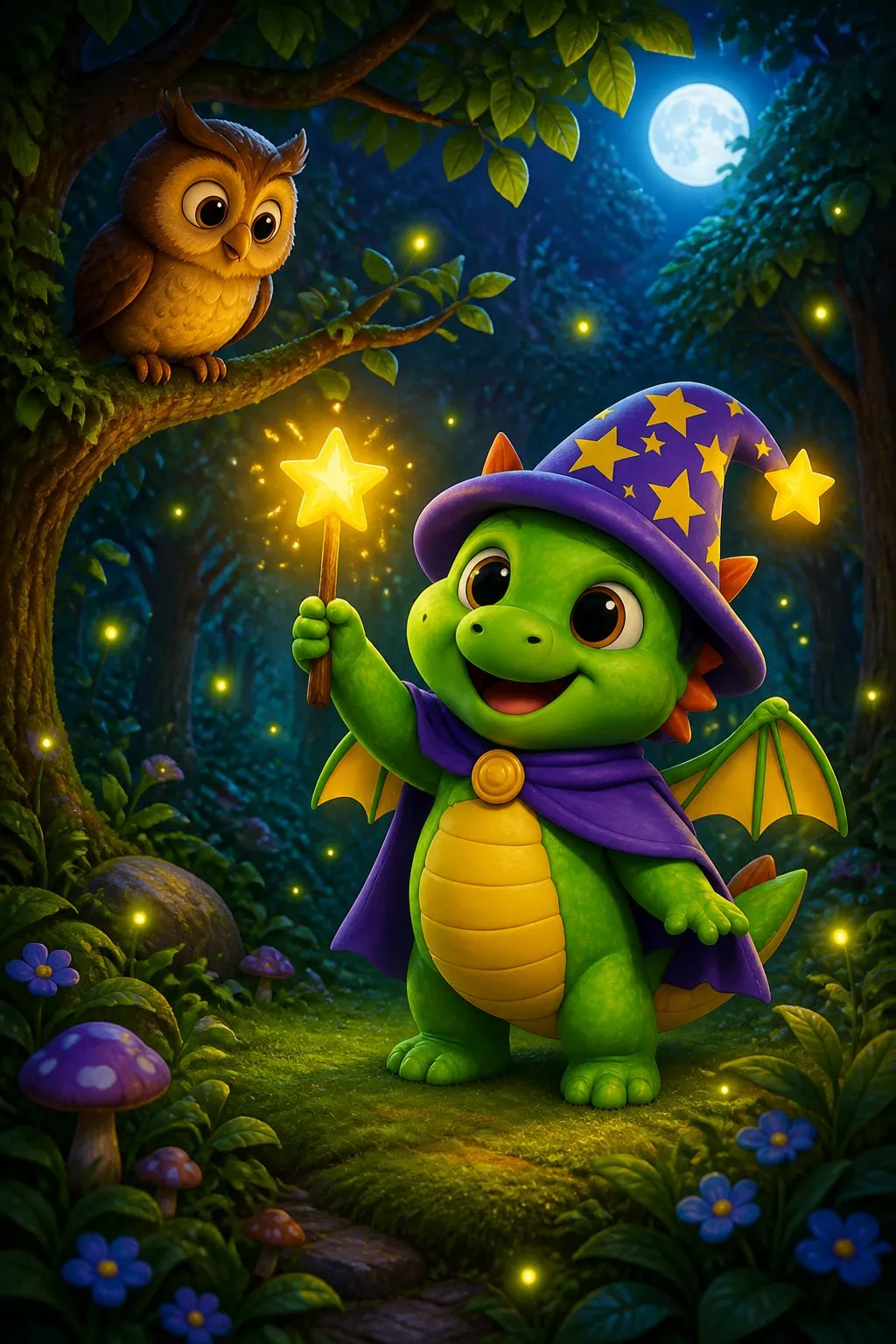
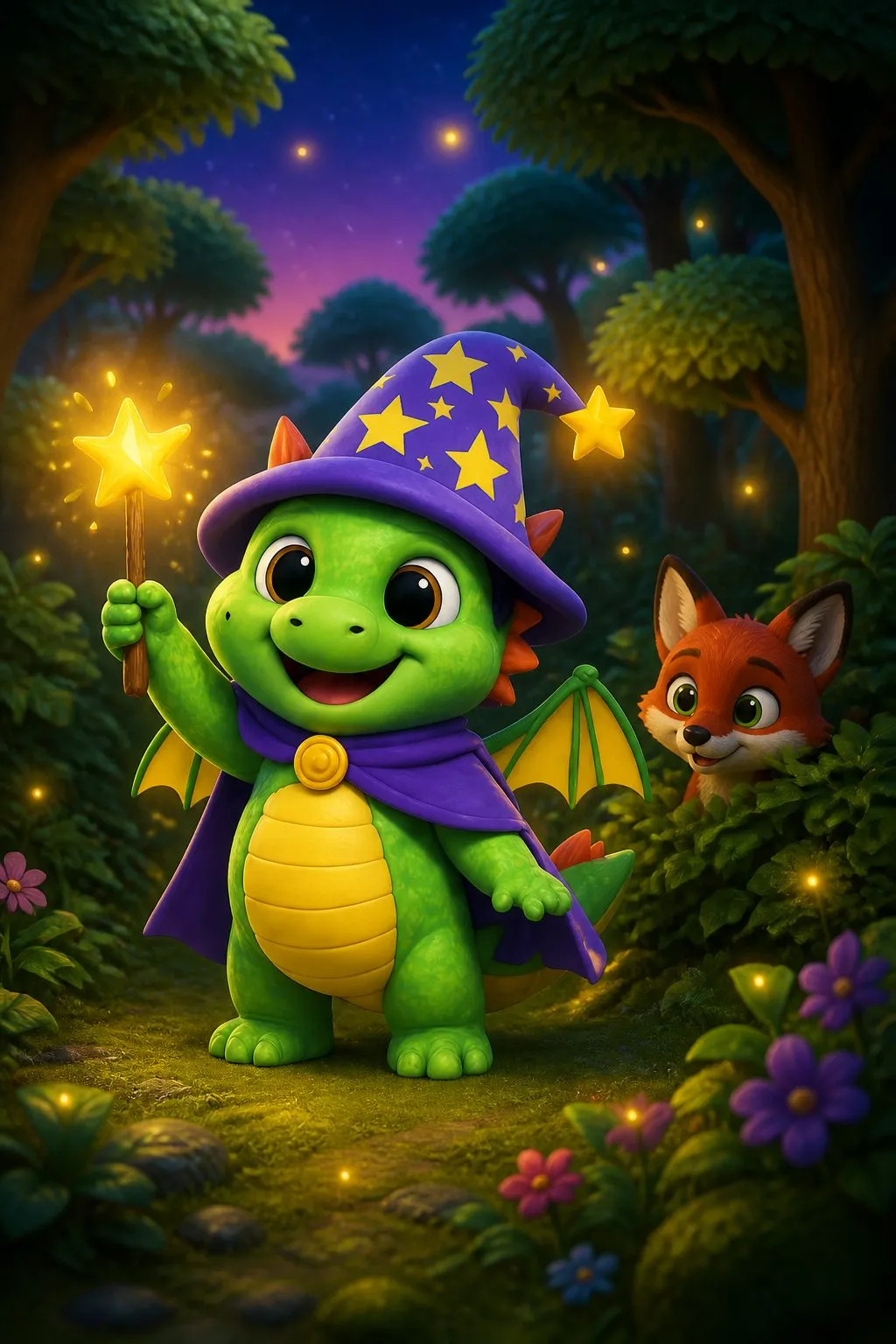
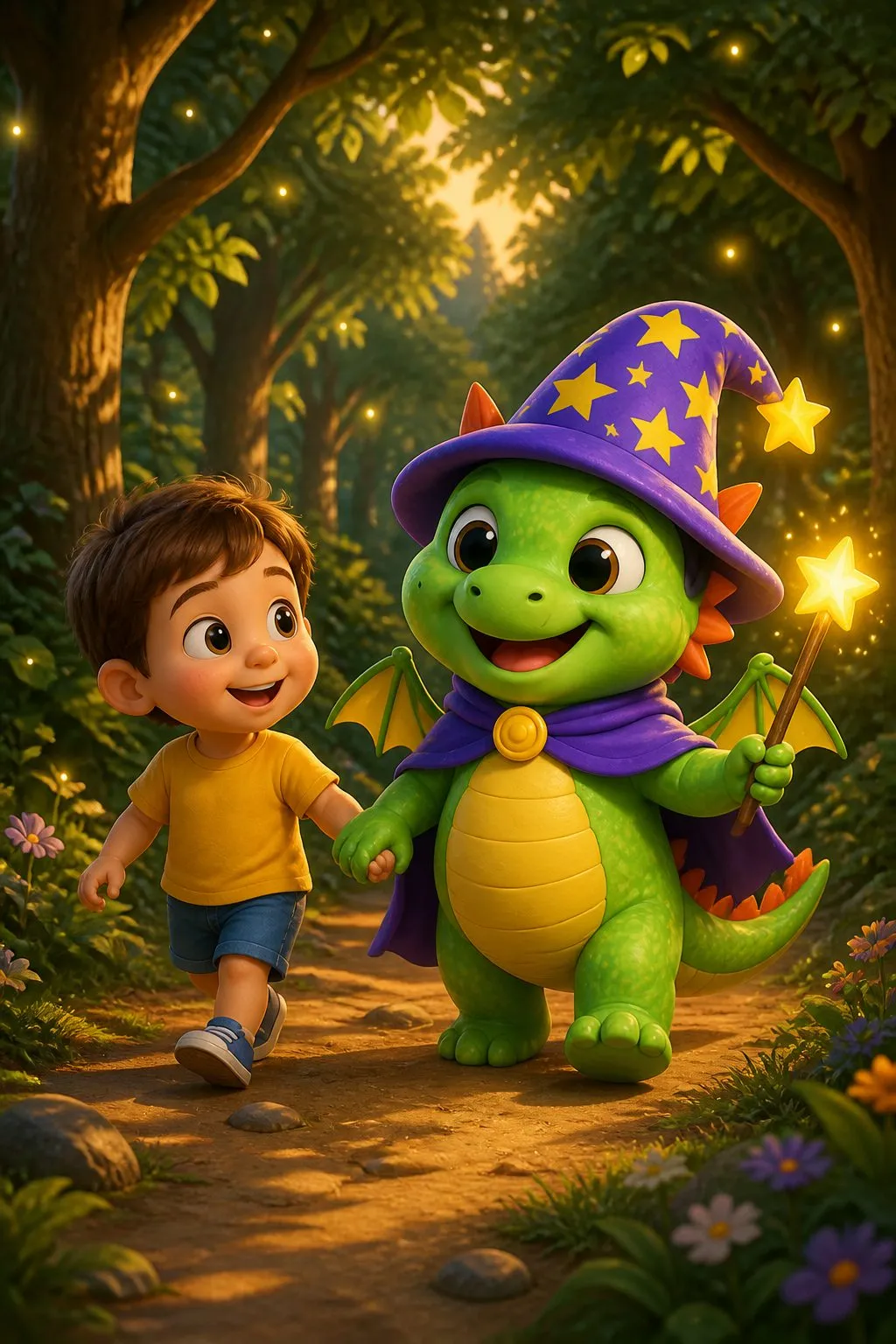

Three questions, one story
One question per screen. Your words, not a menu.
What’s it about?
“The dentist tomorrow”, “sharing toys with a cousin” — plus a value to teach (kindness, brushing teeth, trying new foods…) and how it should feel
Who’s in it?
Your child, by name, and the character you made as the hero — or start the next episode of a story they love
Make it special
Short, medium or long; something to include; tell it in rhyme; pick the narrator
Every word lights up as it is read
The narrator reads; the words follow along in big type with the spoken word in green. Nobody is teaching reading at bedtime — but the eye-to-word link builds quietly, and a wriggly child has something to follow.


The same hero, a new small adventure
Three-year-olds don’t want a new story every night. They want the same brave hero. Continue any story as a series: the character, the world and the tone carry over, and you only answer one question — what happens this episode?
Continuing a story is a Max featureYou read it before your child hears it
New stories land in your review area, not in your child’s room. Read it, approve it, or regenerate it — regenerating keeps the old one until the new one is ready, so you never lose a story you liked.
Where to go next
Learning journeys
A goal becomes five lessons your child does, not watches.
See learning journeysChild mode
A locked room that plays your list and then stops.
See child modeBedtime stories for a 3-year-old: what actually works
Five things that make a bedtime story land at three — their own name, one small worry, the same hero every night, short over long, and reading along lightly.
Read the guideDinomy is on the App Store
For iPhone and iPad. Start with a 7-day free trial.